
Health & Care

Health is shaped as much by social, cultural, and economic conditions as by clinical care. We design and study technologies for care in low-resource settings, approaches to mental health that go beyond Western individualistic models, and the barriers that stigma and gender norms create in access to care.
Mobile Care for Children with Autism
Caring for children with autism spectrum disorder is especially challenging in low- and middle-income countries such as Bangladesh. mCARE is a mobile-based care system that routinely collects behavioural and developmental data, supporting data-driven decisions by families and practitioners (Pervasive Health 2024). Using mCARE data, we have applied machine learning to inform developmental milestone achievement (JMIR Medical Informatics 2021) and studied patterns of risk and resilience during COVID-19 lockdowns (Scientific Reports 2021).
Caregivers also face stigma. Working with 29 parents and nine teachers at special needs schools in Dhaka, "We Need More Power to Stand Up" (ICTD 2020) designs to combat it at its deeper roots.
Related papers
- mCARE: Integrating Mobile Phones, Caregivers, and Health Practitioners to Provide Regular Monitoring and Care for the Children with ASD in BangladeshPervasive Health 2024
- An mCARE study on patterns of risk and resilience for children with ASD in BangladeshScientific Reports 2021
- Informing Developmental Milestone Achievement for Children With Autism: Machine Learning ApproachJMIR Medical Informatics 2021
- Towards Developing A Mobile-Based Care for Children with ASD (mCARE) in Low and Middle Income Countries (LMICs) like BangladeshCOMPSAC 2020
- “We Need More Power to Stand Up”: Designing to Combat Stigmatization of the Caregivers of Children with Autism in Urban BangladeshICTD 2020
Mental Health and Wellbeing
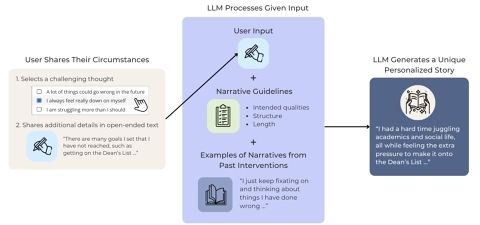
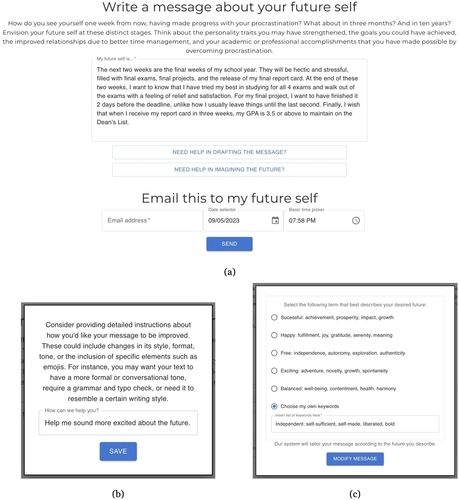
Large language models can personalize support in ways traditional interventions cannot. Understanding the Role of LLMs in Personalizing and Scaffolding Strategies to Combat Academic Procrastination (CHI 2024, Best Paper Honorable Mention) explores what users expect from such tools, and Perfectly to a Tee (DIS 2025) uses LLMs to tailor stories about overcoming personal struggles, studied with 346 young adults. We also contributed to a crowdsourced megastudy of 12 digital single-session interventions for depression (Nature Human Behaviour 2026).
Outside the West, mental health needs different framings. Studying Kaan Pete Roi, a suicide prevention helpline in Bangladesh, "What's the Point of Having this Conversation?" (COMPASS 2023) argues for decolonizing mental health services, and an analysis of 1,000 helpline calls connects mental health with the Sustainable Development Goals (ICTD 2022).
Related papers
- Understanding the Role of Large Language Models in Personalizing and Scaffolding Strategies to Combat Academic ProcrastinationCHI 2024
- Perfectly to a Tee: Understanding User Perceptions of Personalized LLM-Enhanced Narrative InterventionsDIS 2025
- A Crowdsourced Megastudy of 12 Digital Single-Session Interventions for Depression in American AdultsNature Human Behavior 2026
- “What’s the Point of Having this Conversation?”: From a Telephone Crisis Helpline in Bangladesh to the Decolonization of Mental Health ServicesCOMPASS 2023
- Connecting Mental Health with Sustainable Development Goals: Insights from Call Data of a Telephone Crisis Helpline in BangladeshICTD 2022
Access to Care, Gender, and Stigma

Access to care is shaped by stigma, gender norms, and local knowledge. A ten-month ethnography in three villages, The Ancient Elephant in the Room (ICTD 2024), examines barriers to reproductive care for rural Bangladeshi women, and "Parar-daktar Understands My Problems Better" (CSCW 2019) explores how people in 13 villages access healthcare. Computing and the Stigmatized (CHI 2024, Best Paper Award) studies trust, surveillance, and space with sex workers in Bangladesh, and "Deprived of support because we're born women" (CHI 2026) examines the struggles of women entrepreneurs.
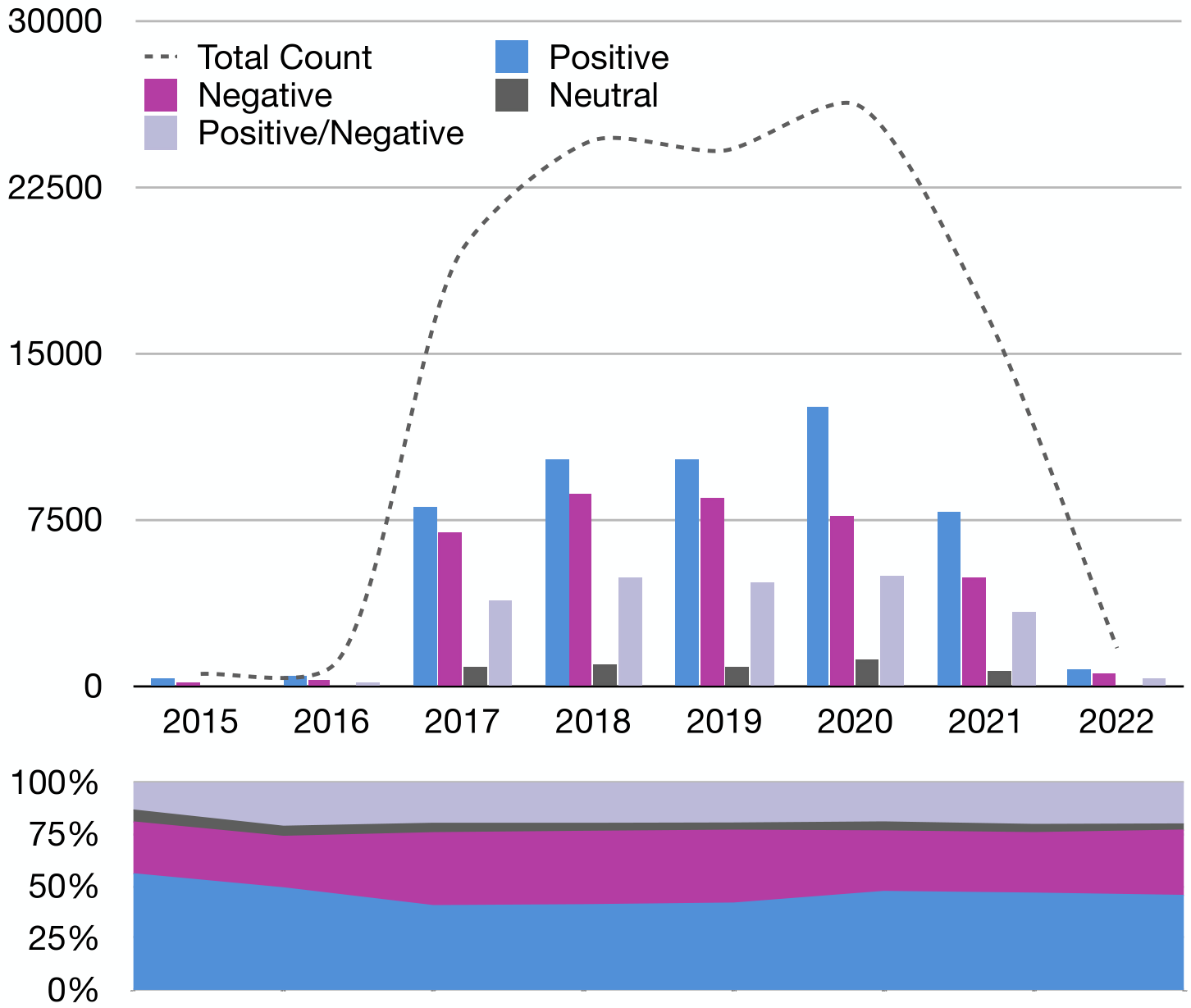
At scale, From patient voices to policy (PLOS Digital Health 2026) uses natural language processing on over 120,000 patient reviews from 45 Ontario hospitals to surface patterns that can inform policy.
Related papers
- The Ancient Elephant in the Room: Stigma, Gender Norms, and Cultural Barriers in Reproductive Care in BangladeshICTD 2024
- Computing and the Stigmatized: Trust, Surveillance, and Space Politics with the Sex Workers in BangladeshCHI 2024
- "Deprived of support because we're born women": Emerging Socio-Technical Pathways and Evolving Struggles for Women Entrepreneurs in BangladeshCHI 2026
- “Parar-daktar Understands My Problems Better”: Disentangling the Challenges to Designing Better Access to Healthcare in Rural BangladeshCSCW 2019
- From patient voices to policy: data analytics reveals patterns in Ontario's Hospital feedbackPLOS Digital Health 2026