Online Harms & Moderation
Online platforms are where many people in the Global South meet, organize, and get their news — and where they face harassment, hate, and misinformation. Mainstream moderation is built largely around Western, secular values and well-resourced languages.
We study how harms are experienced by women, religious and ethnic minorities, and other marginalized users, build detection resources for low-resource languages, and design moderation that draws on community values.
Harassment, Gender, and Justice
Women in the Global South often seek justice for online harassment by sharing screenshots as evidence — evidence that is frequently challenged for its authenticity. Based on a survey of 91 and interviews with 43 Bangladeshi victims, we built Unmochon (CHI 2021, Best Paper Honorable Mention), a tool for collecting trustworthy evidence of harassment on Facebook Messenger. Earlier, we studied harassment on anonymous social media in Bangladesh (ICTD 2019).
We have examined who participates in movements like #MeToo and why many do not, in both Bangladesh (GROUP 2020) and India (CSCW 2021). In a conservative society where talking about sex is taboo, ShishuShurokkha (CHI 2022) takes a transformative-justice approach to combating child sexual abuse.
Related papers
- ‘Unmochon’: A Tool to Combat Online Sexual Harassment over Facebook MessengerCHI 2021
- Parsing the ‘Me’ in #MeToo: Sexual Harassment, Social Media, and Justice InfrastructuresCSCW 2021
- Understanding the Challenges for Bangladeshi Women to Participate in #MeToo MovementGROUP 2020
- ShishuShurokkha: A Transformative Justice Approach for Combating Child Sexual Abuse in BangladeshCHI 2022
- Online Sexual Harassment over Anonymous Social Media in BangladeshICTD 2019
Hate Speech, Misinformation, and Polarization
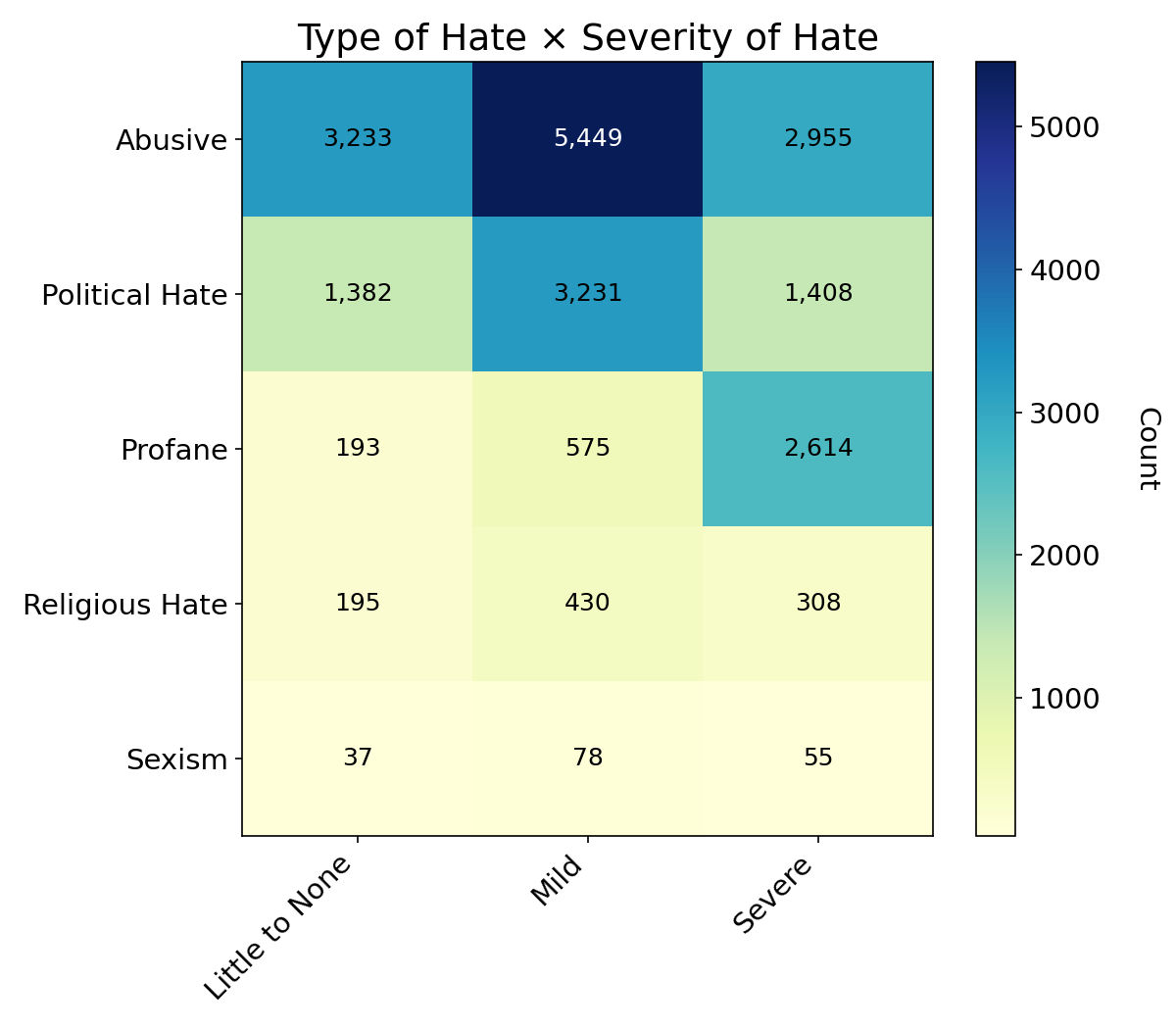
Reliable detection is especially hard in low-resource languages. LLM-Based Multi-Task Bangla Hate Speech Detection (ACL 2026) detects the type, severity, and target of hate speech in Bangla, and POLAR (ACL 2026 Findings) is a benchmark of over 110K instances in 22 languages for studying online polarization across cultures and events.
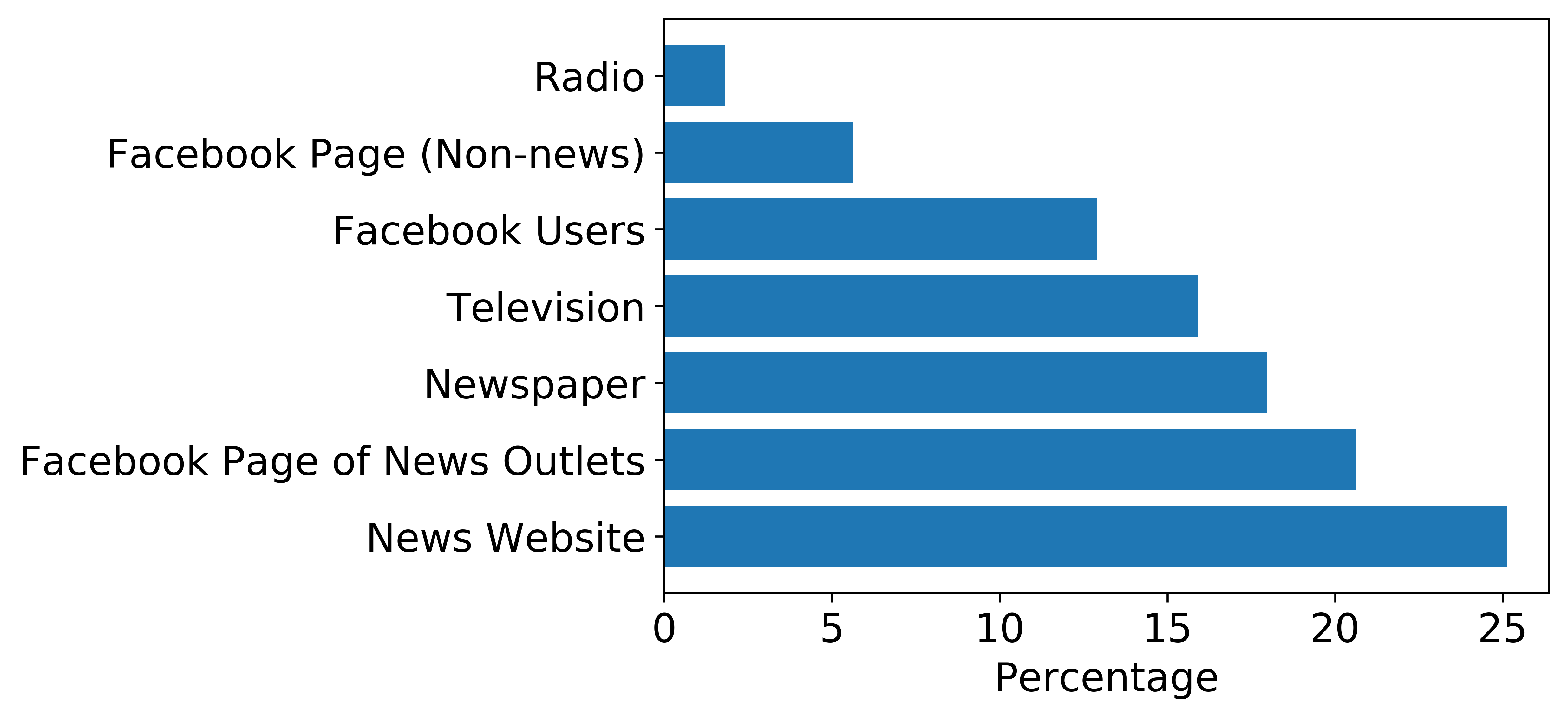
We also study the people behind the data. Combating Misinformation in Bangladesh (CSCW 2020) examines the roles of journalists, fact-checkers, and users; The Politics of Fear (CSCW 2024) documents the experiences of religious minority communities on social media; and Combating Islamophobia (TSC 2023) designs for compromise, community, and harmony in mitigating harmful content.
Related papers
- LLM-Based Multi-Task Bangla Hate Speech Detection: Type, Severity, and TargetACL 2026 (Main)
- POLAR: A Benchmark for Multilingual, Multicultural, and Multi-Event Online PolarizationACL 2026 (Findings)
- Combating Misinformation in Bangladesh: Roles and Responsibilities as Perceived by Journalists, Fact-checkers, and UsersCSCW 2020
- Combating Islamophobia: Compromise, Community, and Harmony in Mitigating Harmful Online ContentACM Transactions on Social Computing (TSC) 2023
- The Politics of Fear and the Experience of Bangladeshi Religious Minority Communities Using Social Media PlatformsCSCW 2024
Community-Centred Moderation
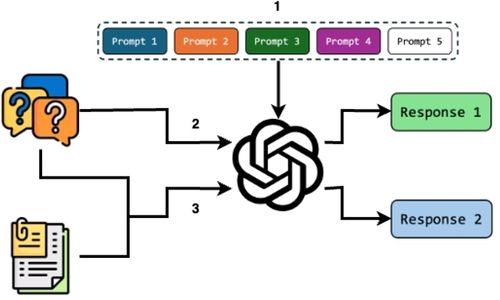
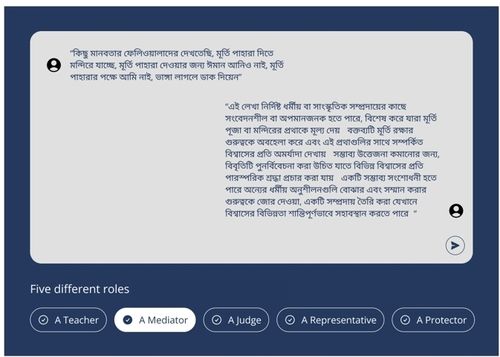
As moderation increasingly relies on large language models, we ask whether these systems can recognize culturally insensitive speech toward historically underrepresented communities. Mod-Guide (COMPASS 2026) is an LLM-based moderation feedback system built for this purpose, and Argument-Based Consistency in Toxicity Explanations (EACL 2026 Findings) evaluates how LLMs reason about toxicity, not just whether they detect it.
Community values matter too. A civics-oriented study (ICTD 2024) shows how intersectional identities shape Indigenous and women users' experiences of hate speech; a three-year rural ethnography, Toleration Factors (ICTD 2022), examines expectations of decorum, civility, and certainty; and Imagined Online Communities (CSCW 2022) studies how Facebook group admins govern their communities.
Related papers
- Mod-Guide: An LLM-based Content Moderation Feedback System to Address Insensitive Speech toward Indigenous Ethnic and Religious Minority CommunitiesCOMPASS 2026
- Argument-Based Consistency in Toxicity Explanations of LLMsEACL 2026 (Findings)
- A Civics-oriented Approach to Understanding Intersectionally Marginalized Users' Experience with Hate Speech OnlineICTD 2024
- Toleration Factors: The Expectations of Decorum, Civility, and Certainty on Rural Social MediaICTD 2022
- Imagined Online Communities: Communionship, Sovereignty, and Inclusiveness in Bangladeshi Facebook GroupsCSCW 2022