
Repair, Infrastructure & Sustainability
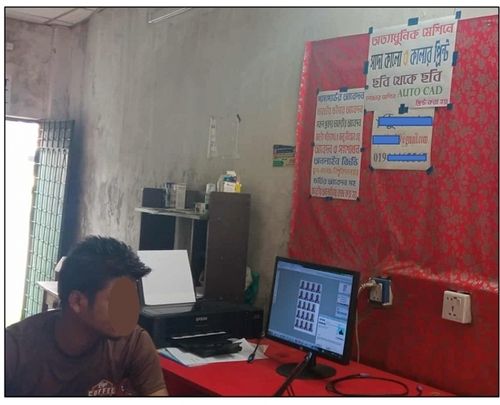
Behind every digital device is an infrastructure of repairers, recyclers, networks, and workers — much of it informal and invisible, especially in the Global South. We study the knowledge, care, and labour that keep technology working, and the inequalities in who gets connected and on what terms.
Our work ranges from ethnographies of repair shops and e-waste communities to systems that make the web faster in developing regions.
Repair, E-waste, and Care
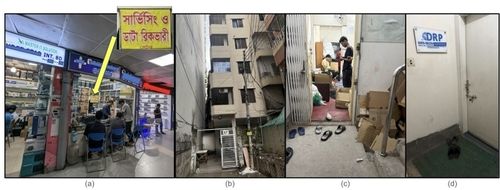
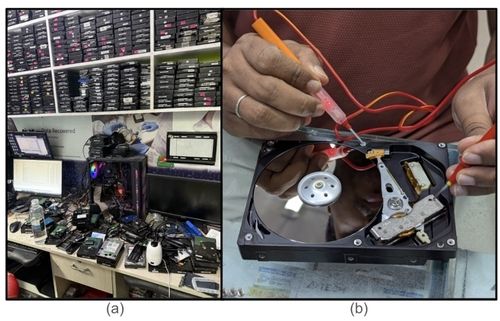
A six-month ethnography with data repairers in Bangladesh, Data Repair (CHI 2026, Best Paper Honorable Mention), shows how this work is constrained not only by scarce machinery and software but by cross-language learning resources and the protective way repairers document and share their experience. The Breaking Hand (CHI 2019, Best Paper Honorable Mention) follows the knowledge, care, and suffering of e-waste recyclers in Dhaka, and environmental-health work measured e-waste dismantlers' exposure to flame retardants.
Repair looks different far from cities. Trust and Technology Repair Infrastructures (CSCW 2019, Diversity and Inclusion Award) studies remote fishing and farming villages in the Philippines, and Pandemic, Repair, and Resilience (COMPASS 2021) documents how COVID-19 disrupted repair and recycling in Bangladesh.
Related papers
- Data RepairCHI 2026
- The Breaking Hand: Knowledge, Care, and Sufferings of the Hand of an Electronic Waste Worker in BangladeshCHI 2019
- Trust and Technology Repair Infrastructures in the Remote Rural Philippines: Navigating Urban-Rural SeamsCSCW 2019
- Pandemic, Repair, and Resilience: Coping with Technology Breakdown during COVID-19COMPASS 2021
- Measuring exposure of e-waste dismantlers in Dhaka Bangladesh to organophosphate esters and halogenated flame retardants using silicone wristbands and T-shirtsScience of the Total Environment, Elsevier, 2020
Connectivity and Digital Infrastructure
Mobile broadband is the main way people in the Global South get online, yet its quality is poorly measured. Measuring the Unmeasured (SIGCOMM 2026 poster) shows how existing measurement renders marginalized communities invisible. MAML (WWW 2025) works towards a faster web for users on low-end devices and limited bandwidth, whose experience suffers from webpages bloated with third-party CSS and JavaScript.
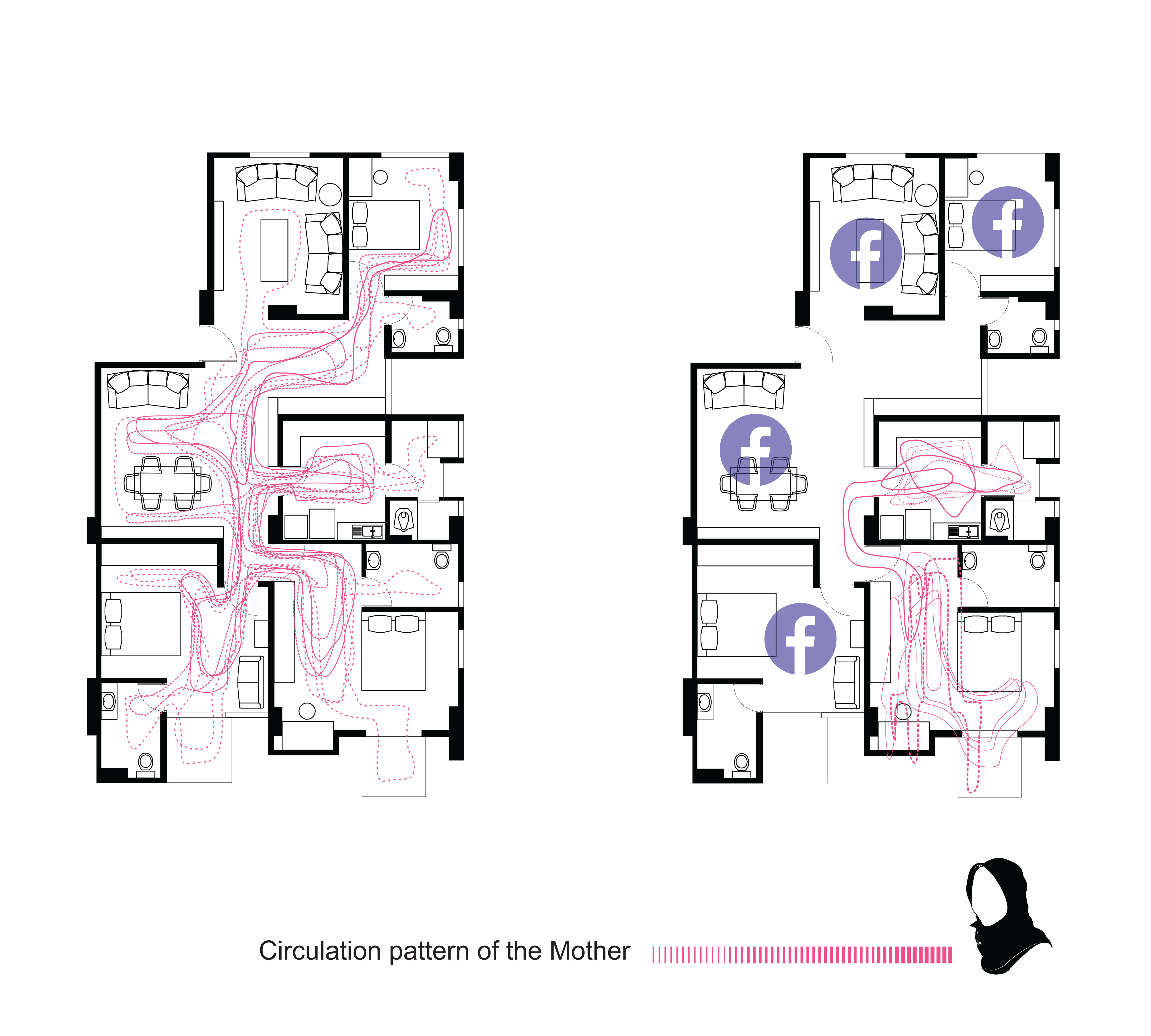
Infrastructure is social and spatial too. We have studied privacy vulnerabilities in public digital service centers in Dhaka, the program and policy landscape for sustainable ICTD in Bangladesh, and, in Others' Images (CHI 2020, Best Paper Honorable Mention), how online fame drives residents to remodel their homes after Western images, with consequences for urban space.
Related papers
- Measuring the Unmeasured: Mobile Broadband Inequality in the Global SouthSIGCOMM 2026 (Poster)
- MAML: Towards a Faster Web in Developing RegionsWWW 2025
- Privacy Vulnerabilities in Public Digital Service Centers in Dhaka, BangladeshICTD 2020
- Towards Sustainable ICTD in Bangladesh: Understanding the Program and Policy Landscape and its Implications for CSCW and HCICSCW 2022
- Others’ Images: Online Social Media, Architectural Improvisations, and Spatial Marginalization in BangladeshCHI 2020
Work and Platforms in the Global South
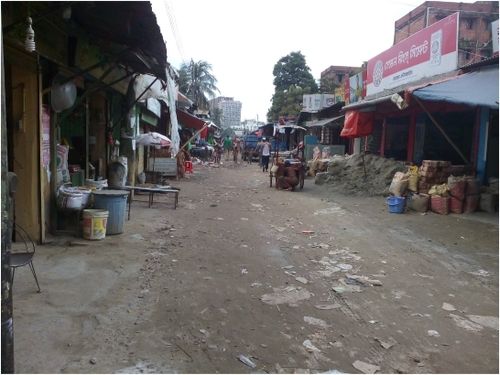
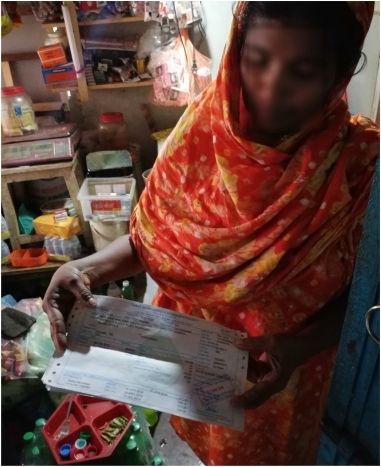
Platforms reshape work in the Global South in ways that research centred on the Global North can miss. In Bangladesh, Uber car owners are often not the drivers, and the tensions between them (CSCW 2021) shape ridesharing. We have also studied the strategies of Facebook microcelebrities (ICTD 2022) and how funders incorporate community voices into development programs (ICTD 2022).
Three years of ethnographic work with internally displaced people in Dhaka's Mohakhali and Kalyanpur areas, Resilient Hope (COMPASS 2025), conceptualizes hope in relation to displacement, marginalization, and resistance.
Related papers
- Exploring the Tensions between the Owners and the Drivers of Uber Cars in Urban BangladeshCSCW 2021
- Understanding the Strategies and Practices of Facebook Microcelebrities in the Global SouthICTD 2022
- Commissioning Development: Grantmaking, Community Voices, and their Implications for ICTDICTD 2022
- Resilient Hope: Identity, Extensibility, and Freedom as Design and Policy Considerations in Social ComputingCOMPASS 2025