
Responsible & Critical AI

AI systems are increasingly used to inform, judge, and govern — often in ways that reproduce Western assumptions and existing inequalities. We evaluate how large language models behave, examine the politics of the data and methods behind AI, and study how AI is adopted and governed, especially in the Global South.
Our aim is AI that is accountable to the people it affects, grounded in non-ideal, real-world conditions rather than idealized ones.
Evaluating Large Language Models
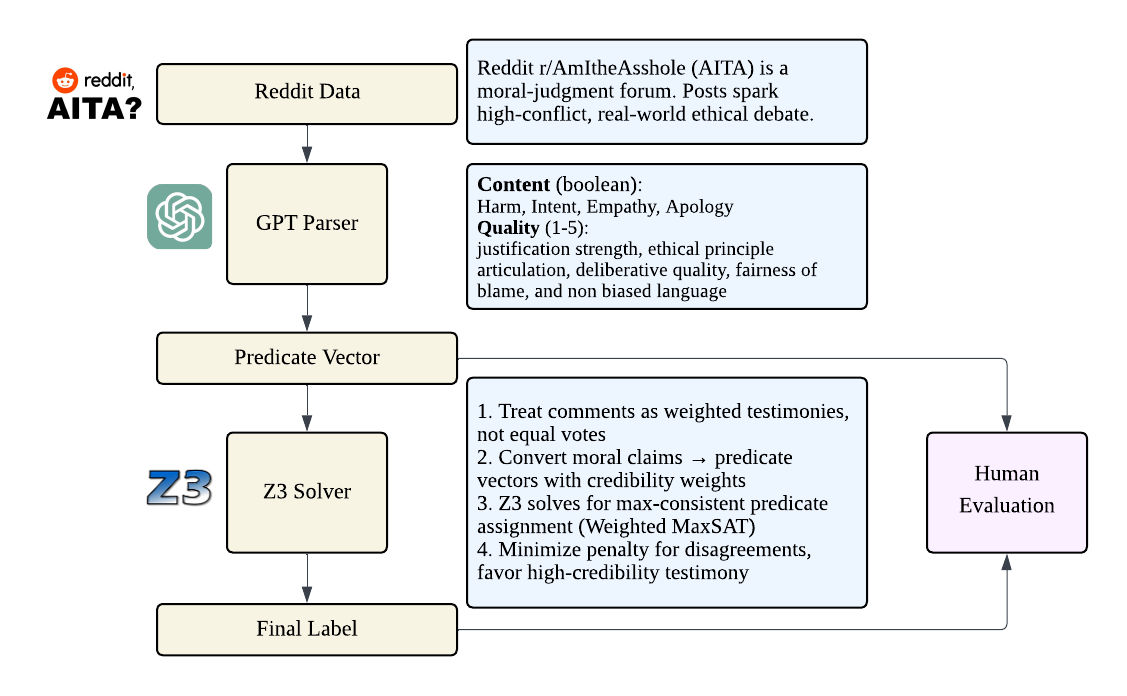
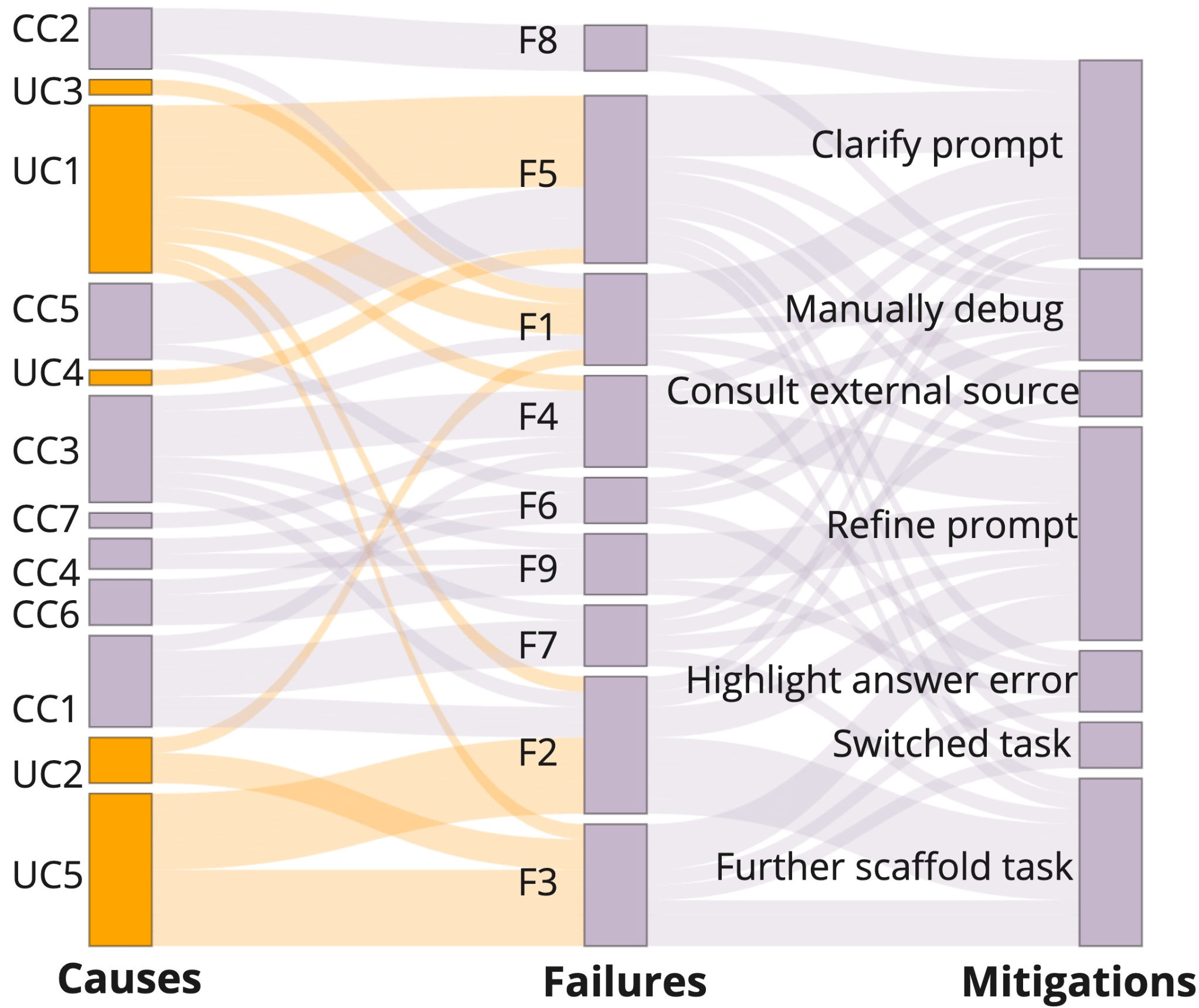
As LLMs are increasingly used to judge bias, they may themselves show bias in subtler ways. Evaluating Second-Order Bias of LLMs Through Epistemic Entitlement (EMNLP 2026 Findings) introduces a philosophically grounded way to measure social bias in an LLM's judgments about social bias. We have also tested how LLM-backed chatbots handle misinformed and demographically informed prompts about climate change and mental health (AI Magazine 2025).
We study how people experience these systems in practice: how users flag and respond to LLM sycophancy, a fair, multi-perspective ethical reasoning framework, and why software engineers sometimes find LLMs counterproductive (TOSEM 2026).
Related papers
- Evaluating Second-Order Bias of LLMs Through Epistemic EntitlementEMNLP 2026 (Findings)
- On the Reliability of Large Language Models to Misinformed and Demographically-Informed PromptsAI Magazine 2025
- LLM Sycophancy: How Users Flag and RespondCanadian AI 2026
- Are You the A-hole? A Fair, Multi-Perspective, Ethical Reasoning FrameworkCanadian AI 2026
- "Should I Give Up Now?" Investigating LLM Pitfalls in Software EngineeringACM Transactions on Software Engineering and Methodology (TOSEM) 2026
Data, Annotation, and Ground Truth
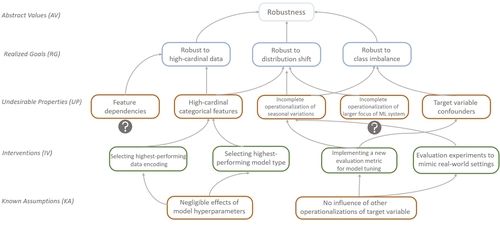
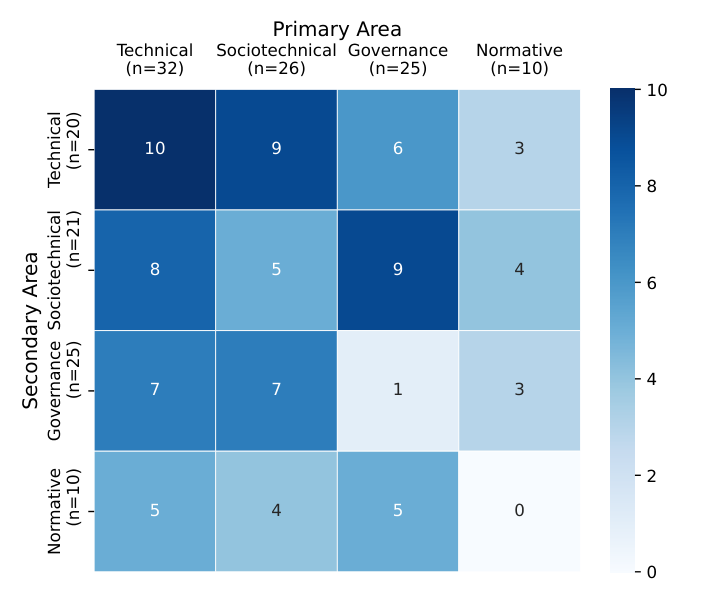
"Ground truth" assumes there is one correct label. The Consensus Trap (FAccT 2026) reviews five years of research to argue that this paradigm treats human disagreement as noise rather than a vital sociotechnical signal. Annotation is also political: Data, Annotation, and Meaning-Making (FAccT 2024) shows how annotation overlooks faith-based, religious, and spiritual aspects, drawing on a dataset of faith-based communal violence.
We also look at how AI work gets done. Towards a Non-Ideal Methodological Framework for Responsible ML (CHI 2024) draws on interviews with 22 ML practitioners; Studying People to Study AI (AIES 2026) surveys 93 experts on the place of human research in AI safety and ethics; and UnWEIRDing Peer Review (CHI 2026) examines how review biases disadvantage Global South scholarship.
Related papers
- The Consensus Trap: Dissecting Subjectivity and the "Ground Truth" Illusion in Data AnnotationFAccT 2026
- Data, Annotation, and Meaning-Making: The Politics of Categorization in Annotating a Dataset of Faith-based Communal ViolenceFAccT 2024
- Towards a Non-Ideal Methodological Framework for Responsible MLCHI 2024
- Studying People to Study AI: Expert Perspectives on the Epistemic Fit and Barriers of Human Research in AI Safety & EthicsAIES 2026
- UnWEIRDing Peer Review in Human-Computer InteractionCHI 2026
AI, Power, and Governance
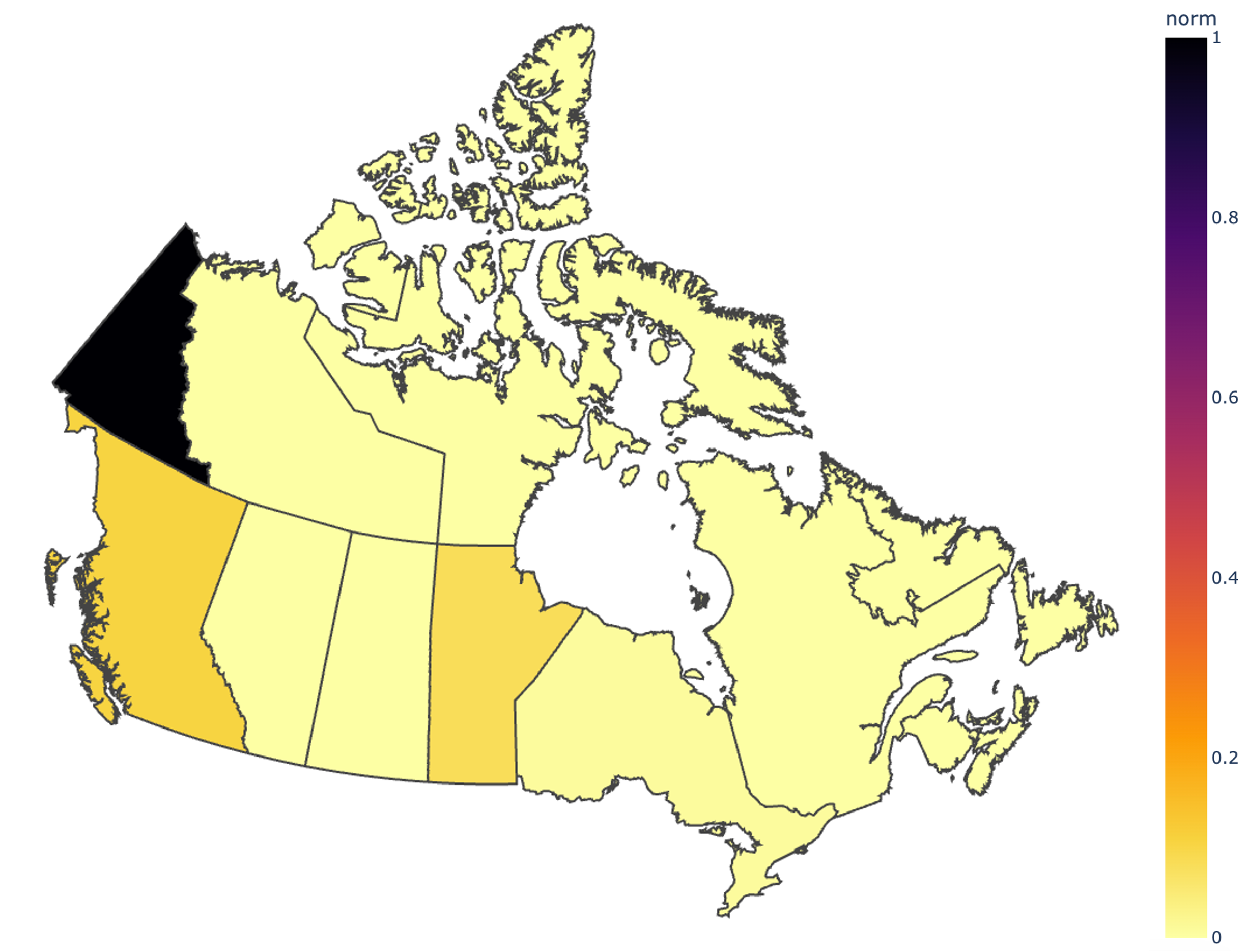
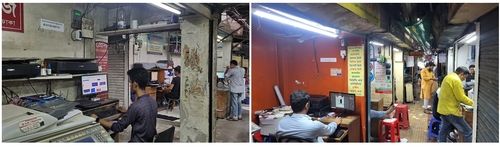
Transparency tools are not neutral. Bureaucratic Silences (FAccT 2026) analyzes all 409 systems in Canada's first Federal AI Register to show what such registers reveal, omit, and obscure. Prediction Laundering (AIES 2026) examines how prediction markets such as Polymarket produce seemingly objective "truth" that hides uncertainty, manipulation, and capital asymmetries.
In the Global South, we study Bangladesh's AI readiness across curriculum, infrastructure, and governance (COMPASS 2026), the ethical risks of computer vision applications (GI 2020), and how text-to-image tools reshape creative work — from the impacts on Bangladeshi image-makers (CHI 2024) to community-centric design of T2I tools (AIES 2025).
Related papers
- Bureaucratic Silences: What the Canadian AI Register Reveals, Omits, and ObscuresFAccT 2026
- Prediction Laundering: The Sociotechnical Production of Truth on PolymarketAIES 2026
- Bangladesh AI Readiness: Gaps in Curriculum, Infrastructure, and GovernanceCOMPASS 2026
- Computer Vision Applications and their Ethical Risks in the Global SouthGI 2020
- Collective Agency in Art-making: Towards Community-centric Design of Text-to-Image (T2I) AI ToolsAIES 2025
- In-Between Visuals and Visible: The Impacts of Text-to-Image Generative AI Tools on Digital Image-making PracticesCHI 2024
Talks
Ishtiaque Ahmed on whose values AI systems encode, and how AI ethics changes across cultures and borders: "Whose intelligence? Whose ethics?" at the Schwartz Reisman Institute seminar series, and "Ethics in Translation: AI Across Borders" at the Centre for Ethics, University of Toronto.